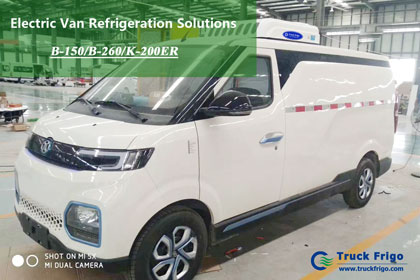
Key Considerations for Using Truck Refrigeration Units
Introduction
For operators and fleet managers relying on truck refrigeration units to protect valuable temperature-sensitive cargo, a comprehensive maintenance strategy is paramount. As a trusted name in transport climate control, Kingclima understands that the durability and efficiency of your refrigeration units for truck applications are critical to your operational success and bottom line. This guide outlines the essential practices that will ensure your unit performs optimally, minimizes downtime, and secures your load throughout its journey, safeguarding your investment and your reputation.
To ensure optimal performance and longevity of your truck refrigeration unit, follow these essential guidelines:
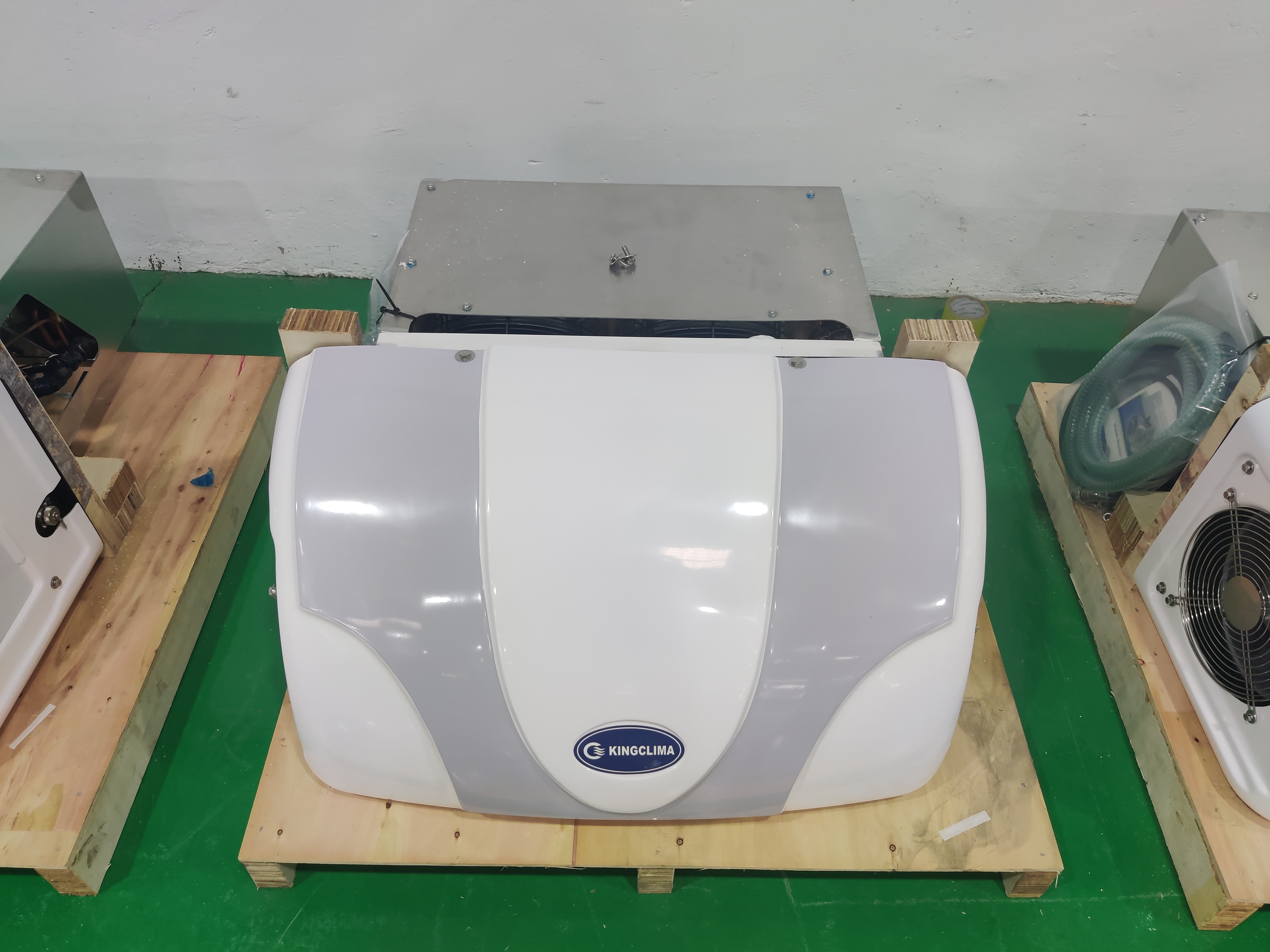
1. Pre-Operation Checks
Inspect Components Daily:
Verify the condition of belts, hoses, and electrical connections. Look for cracks, leaks, or wear.
Clean Air Filters & Condenser Coils:
Clogged filters or coils reduce airflow and efficiency. Clean them weekly (or as per the manufacturer’s schedule).
Check Refrigerant Levels:
Low refrigerant can damage the compressor. Address leaks immediately.
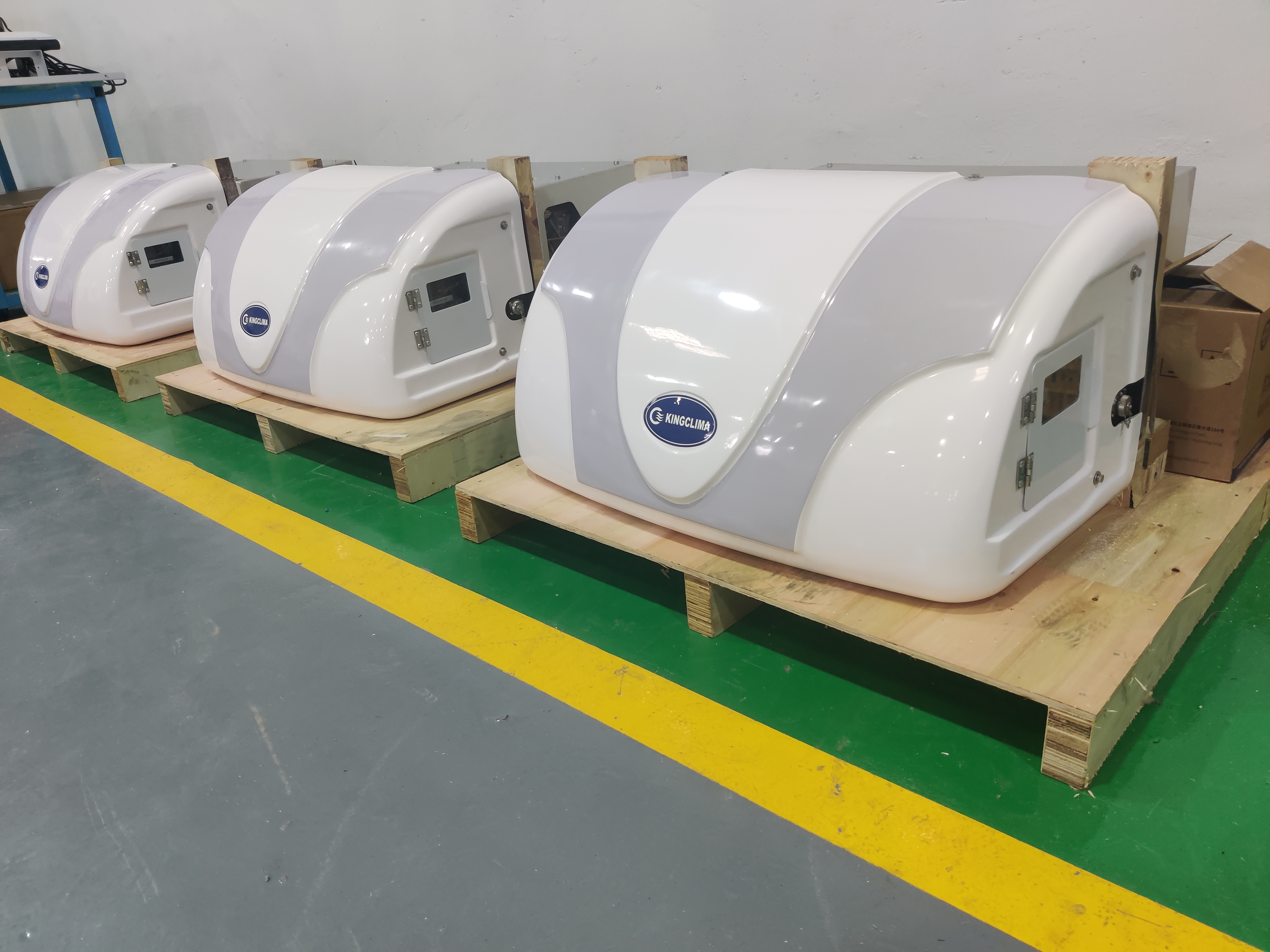
2. Proper Startup & Shutdown
Pre-Cool the Cargo Area:
Run the unit for 15–30 minutes before loading to stabilize the temperature.
Avoid Sudden Temperature Changes:
Gradually adjust settings to prevent system strain.
Shut Down Correctly:
Turn off the unit before turning off the truck’s engine to avoid voltage spikes.
3. Load Management
Avoid Overloading:
Ensure airflow gaps between cargo to maintain even cooling.
Pre-Chill Perishables:
Load pre-cooled goods to reduce the unit’s workload.
Secure Cargo:
Shifting items can block vents or damage the evaporator.
4. Temperature Monitorin
Use Digital Sensors:
Place sensors in multiple zones to detect hot spots.
Set Alarms for Deviations:
Configure alerts for temperature fluctuations (±2°F/1°C).
Avoid Frequent Door Opening:
Minimize exposure to external air to maintain internal temps.
5. Fuel & Power Management
Monitor Fuel Levels (Diesel Units):
Running out of fuel can damage the compressor.
Avoid Idling (Electric Units):
Use shore power during stops to conserve battery life.
Check Voltage Stability:
Ensure the truck’s alternator provides consistent power to avoid electrical failures.
6. Weather Adaptations
Hot Climates:
Increase cleaning frequency for condensers due to dust/debris buildup.
Cold Climates:
Use winter covers for condenser coils to prevent frost accumulation.
Humid Environments:
Inspect drainage systems to avoid mold growth in evaporators.
7. Maintenance Schedule
Weekly:
Clean evaporator coils, check door seals, and test thermostat accuracy.
Monthly:
Lubricate moving parts, inspect refrigerant lines, and tighten electrical connections.
Annually:
Schedule professional servicing (compressor check, refrigerant recharge, system diagnostics).
8. Safety Precautions
Ventilation:
Never run the unit in enclosed spaces without ventilation (risk of CO poisoning for diesel models).
Refrigerant Handling:
Only trained technicians should handle refrigerants (e.g., R452A) due to toxicity and environmental regulations.
Emergency Shutdown:
Know how to manually shut off the unit in case of malfunctions (e.g., smoke, strange noises).
9. Driver Training
Train drivers to:
Recognize warning signs (unusual noises, temperature spikes).
Report issues immediately.
Operate controls correctly (e.g., defrost cycles, eco-modes).
10. Long-Term Storage
Winterization (if unused):
Drain residual water, disconnect batteries, and cover the unit.
Run Periodically:
Operate the unit for 10–15 minutes monthly to keep seals and components lubricated.
Conclusion
In summary, the consistent performance and extended service life of your truck refrigeration units depend on a disciplined approach to daily checks, proper operation, and proactive maintenance. By integrating these essential guidelines into your routine, you significantly reduce the risk of costly failures and ensure the integrity of your cargo. Trusting a reliable manufacturer like Kingclima for your refrigeration units for truck needs provides a solid foundation, but ultimate success is achieved through diligent care. Adhering to these best practices will guarantee that your unit remains a dependable asset, delivering optimal cooling performance mile after mile.